






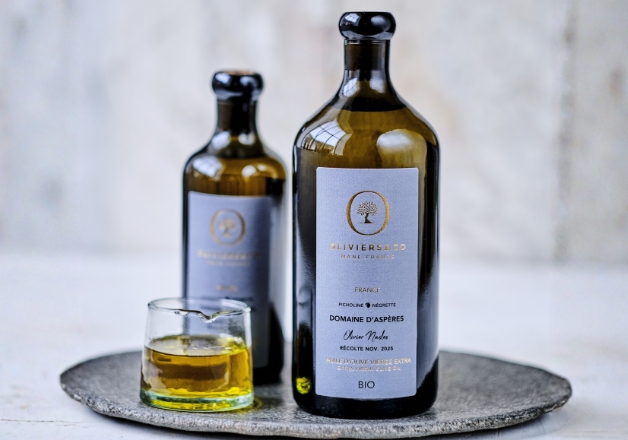





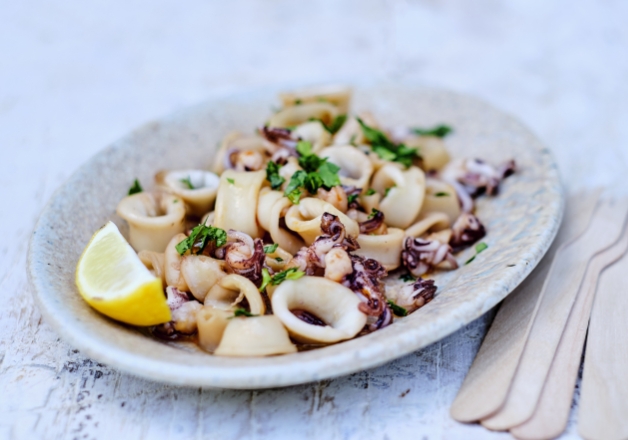

Olive oil tasting is an art that reveals the richness and complexity of this noble product. At Oliviers&Co, we believe that understanding the nuances of an olive oil is essential to fully appreciating its quality. But how can you taste olive oil like a true expert?
In this article, we guide you through the key steps to refine your palate and uncover the subtleties of each olive oil. You’ll learn how to evaluate aromas, flavors, and textures, while mastering the techniques that help distinguish high-quality olive oils. Whether you are a seasoned enthusiast or a curious beginner, our guide will give you the tools to turn every tasting into an unforgettable experience.
THE TASTE OF OLIVE OIL: HOW TO TASTE LIKE AN EXPERT
At Oliviers&Co, our tasting committee led by Alexandra Gauquelin, a specialist in sensory analysis plays a central role in our pursuit of excellence. Each olive oil is rigorously evaluated, with notes and impressions compared to refine our understanding of its organoleptic characteristics. This essential process allows us to offer you olive oils of exceptional quality.
We have designed a tasting kit for both olive oil enthusiasts and newcomers alike. It serves as a visual and sensory tool to break down aromas, finishes, and nuances, much like the tasting of a fine wine. By sharing our expertise, we aim to sharpen your palate and simplify your selection process so that every bottle you choose brings true pleasure.
THE LIMITS OF TASTE AND THE POWER OF AROMA
The first step in mastering olive oil tasting is understanding how our senses work together to perceive flavor. Our tasting experience relies on the interaction between taste and smell. The receptors on our tongue can only identify five basic tastes: sweet, salty, sour, bitter, and umami. The richness and complexity of flavor come primarily from our sense of smell, particularly through retronasal perception, when aromas travel to the back of the nose while food is in the mouth.
To illustrate this, think about how your sense of taste diminishes when you have a cold. With a blocked nose, much of the flavor disappears because smell is essential to perceiving aromas and subtle nuances. This interaction between taste and smell is key to fully appreciating the complexity of olive oil.
FLAVOR PROFILES: TYPES OF OLIVE OIL
Olive oil offers a complex range of flavors, from soft and smooth aromas to fruity, bitter, or peppery notes. Each oil has its own unique character, reflecting its terroir and the craftsmanship of its producer. At Oliviers&Co, we believe that all high-quality olive oils can be grouped into two main flavor profiles, each offering a distinct sensory experience.
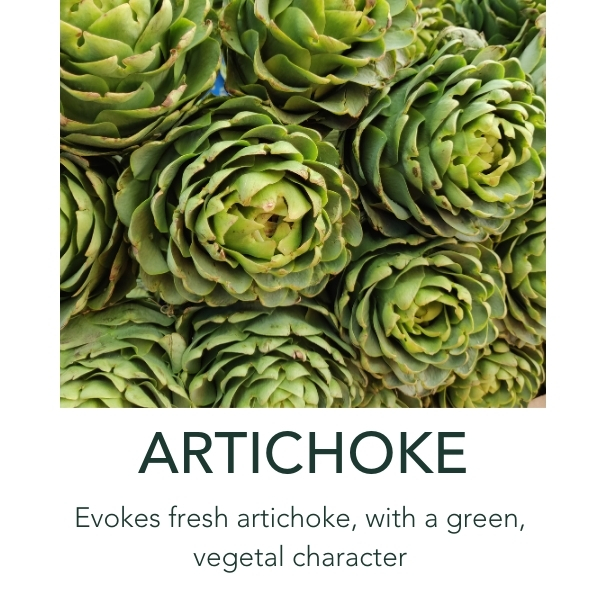
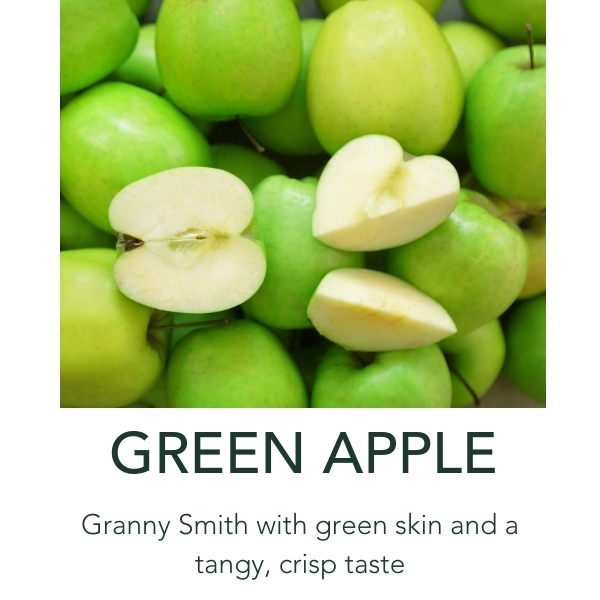
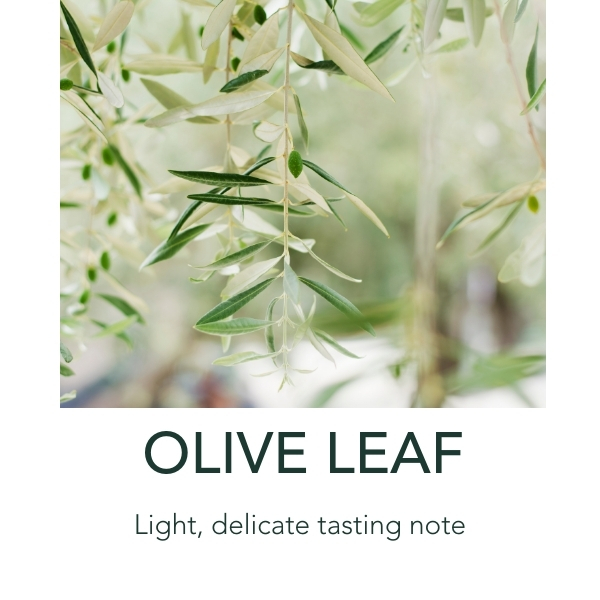
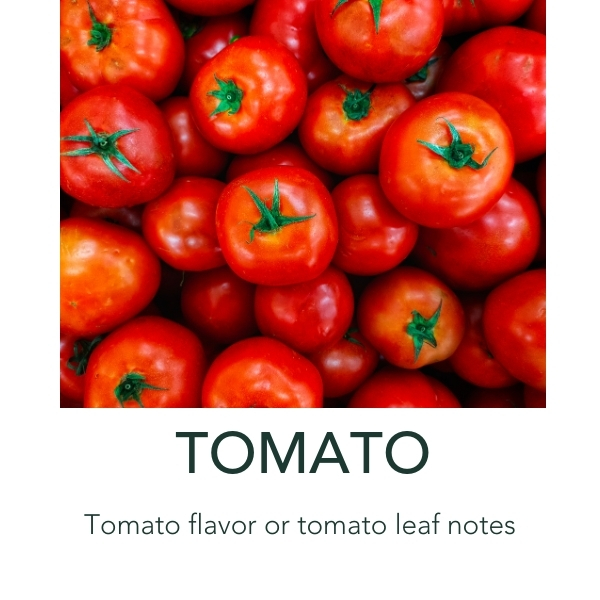
Vegetal oils : characterized by fresh, green notes such as freshly cut grass, artichoke, tomato leaf, or green apple.
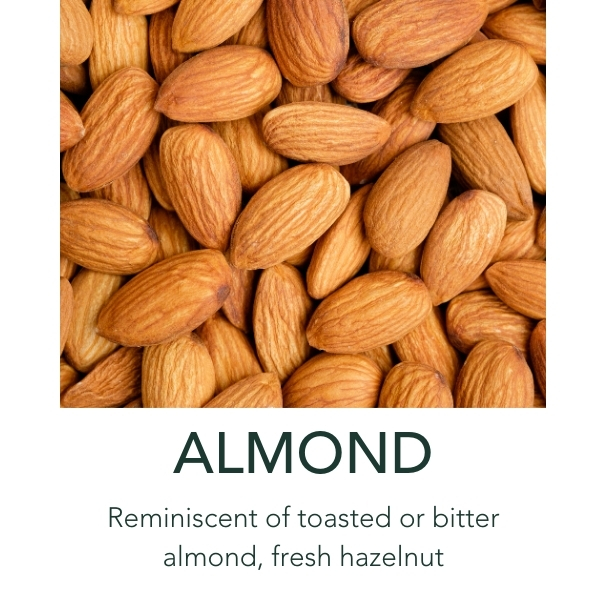
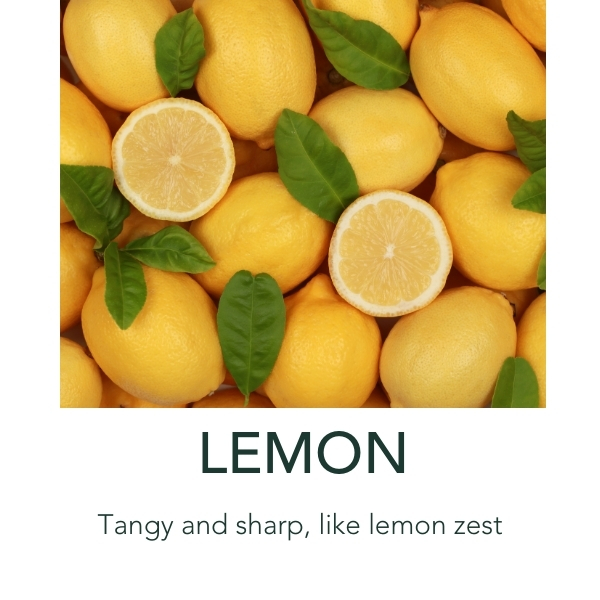
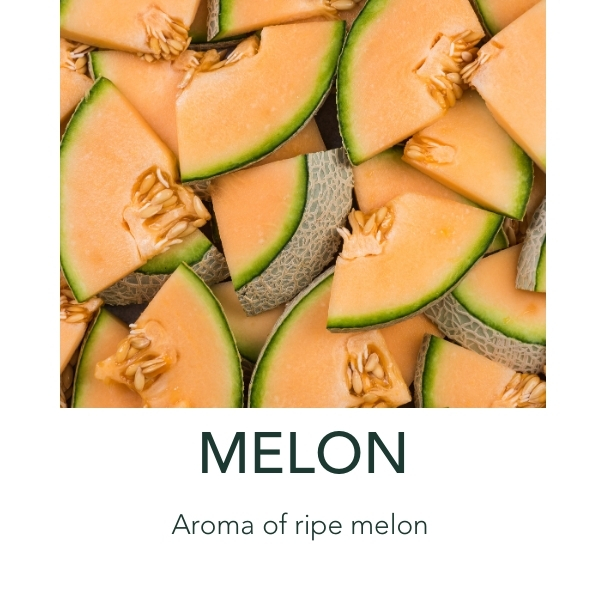
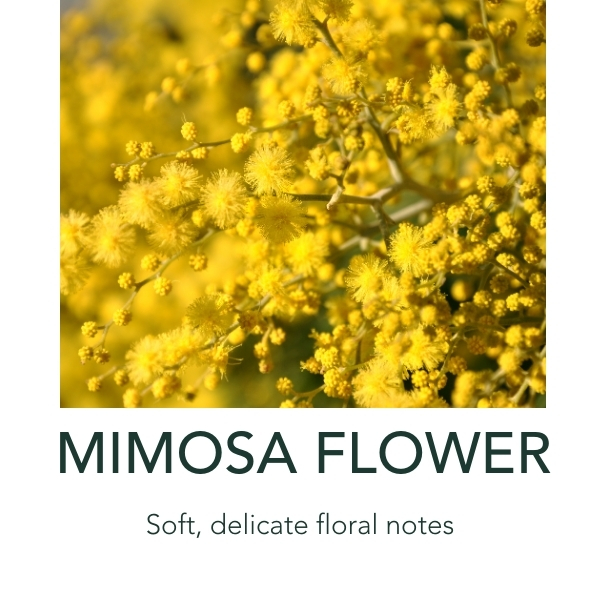
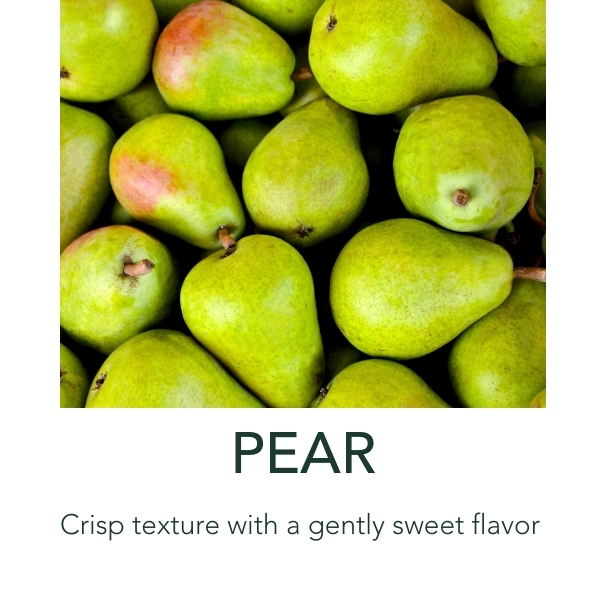
Floral oils : deliver a soft, velvety sensation of lightness, reminiscent of almond and milky notes, often combined with fruity aromas of citrus, fresh fruit, pear, or hazelnut.
When compared to wine, a “vegetal” olive oil is similar to a young red wine lively, vibrant, and warming while a “floral” oil evokes the elegance and finesse of a white wine.
The Oliviers&Co olive oil collection : Each year, the harvest determines whether our olive oils fall into the vegetal or floral category. These flavor profiles are clearly indicated on every bottle, allowing you to filter your selection from intense vegetal notes to delicate floral softness. In-store, our oils are also labeled as “vegetal” or “floral” to guide your choice.
Learn more about the aromas to appreciate in olive oil in our dedicated article here.
TASTING – THE NOSE
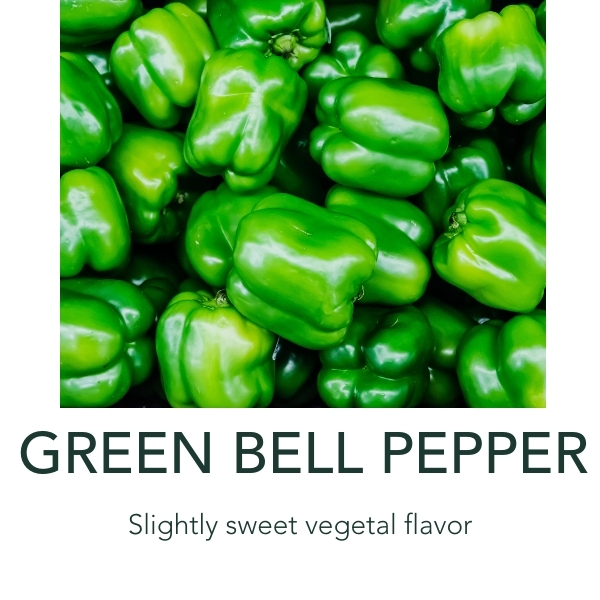
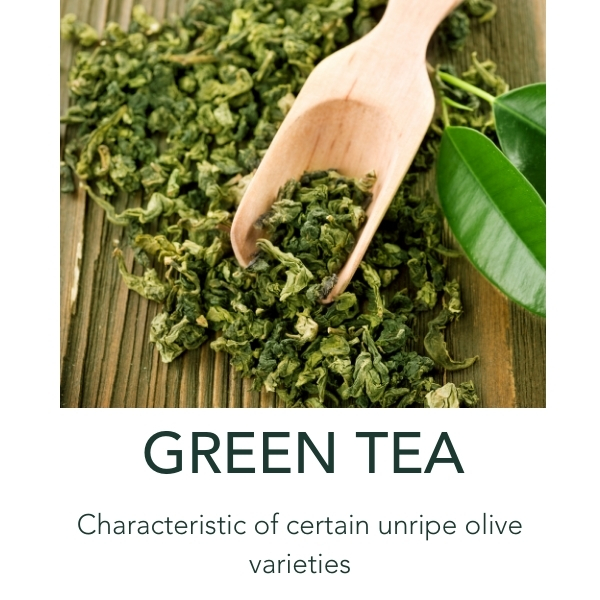
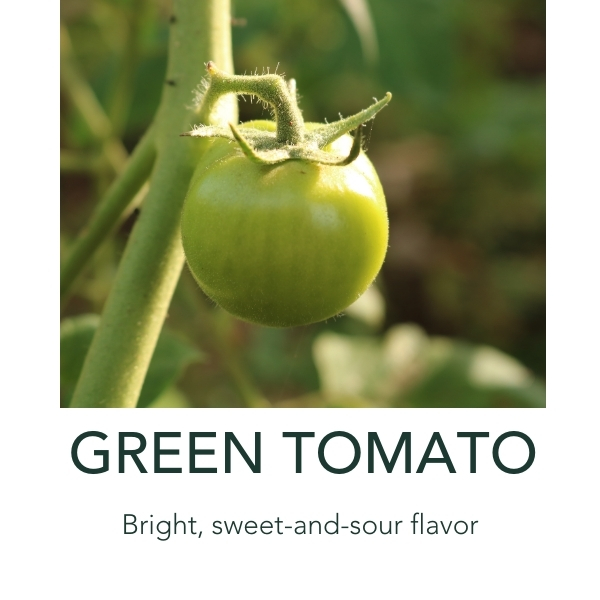
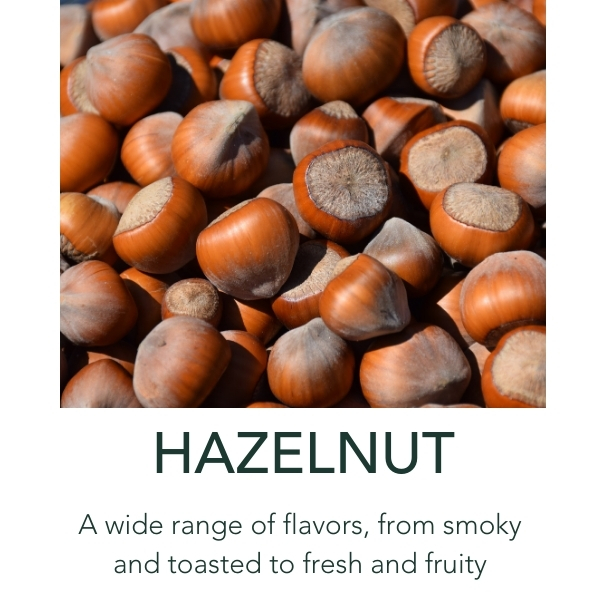
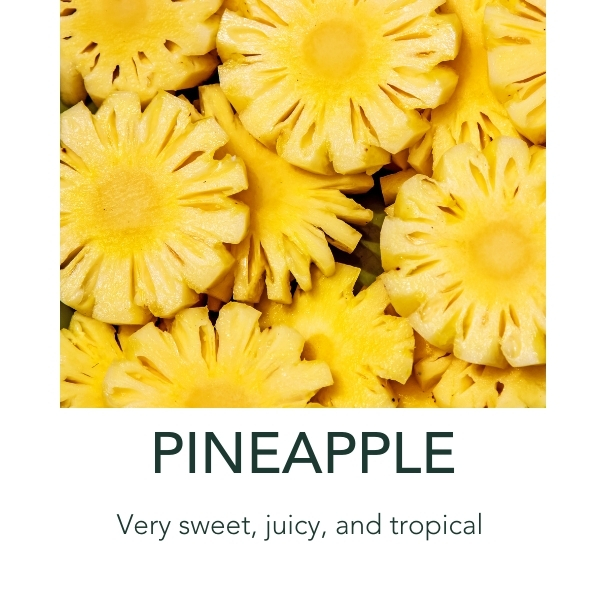
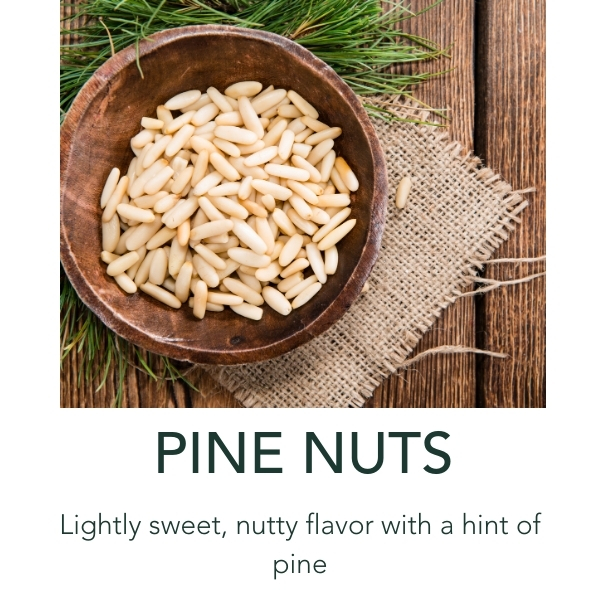
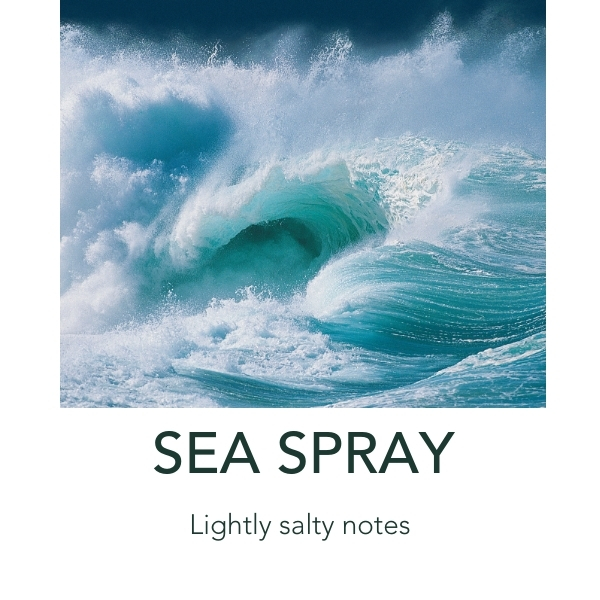
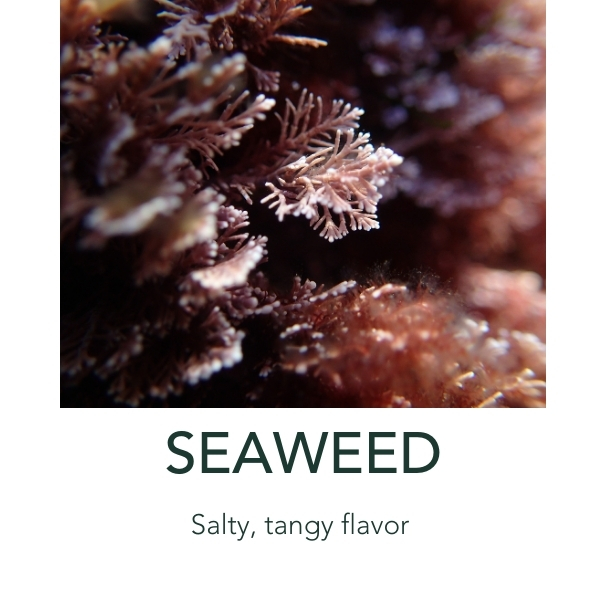
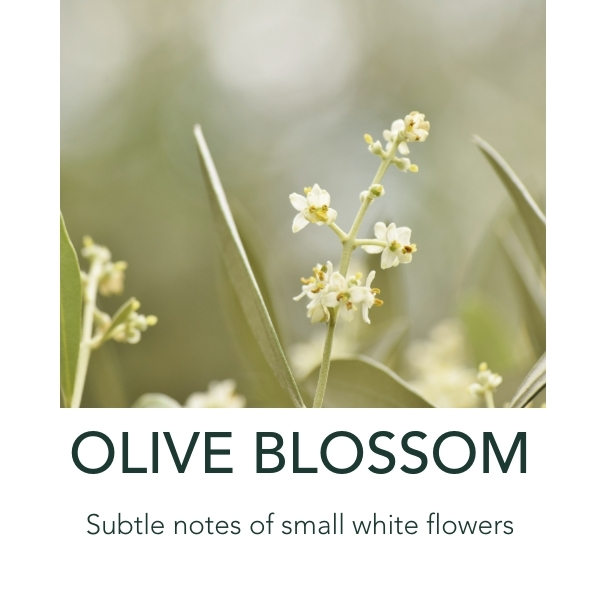
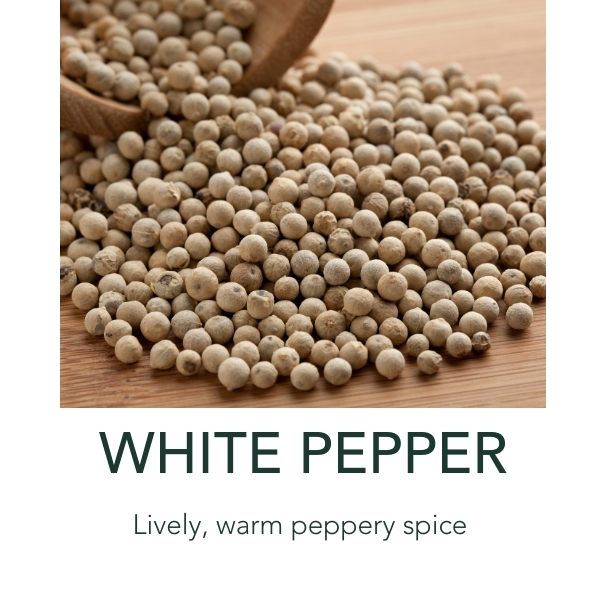
Around the world, more than 1,000 olive varieties are cultivated, offering an extraordinary diversity of flavors.
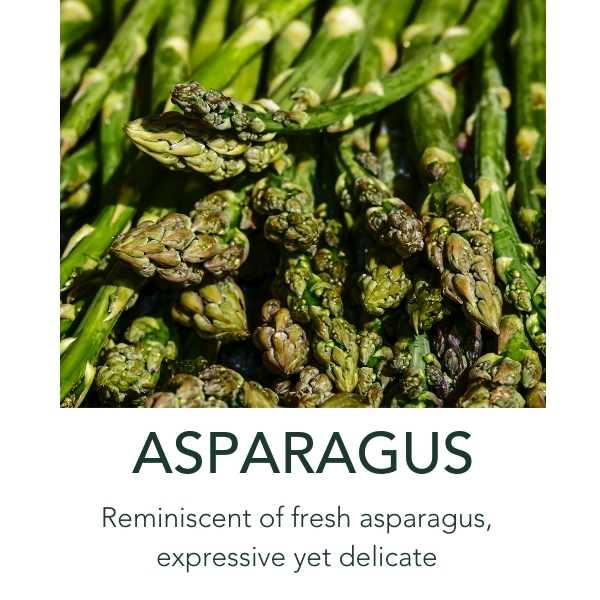
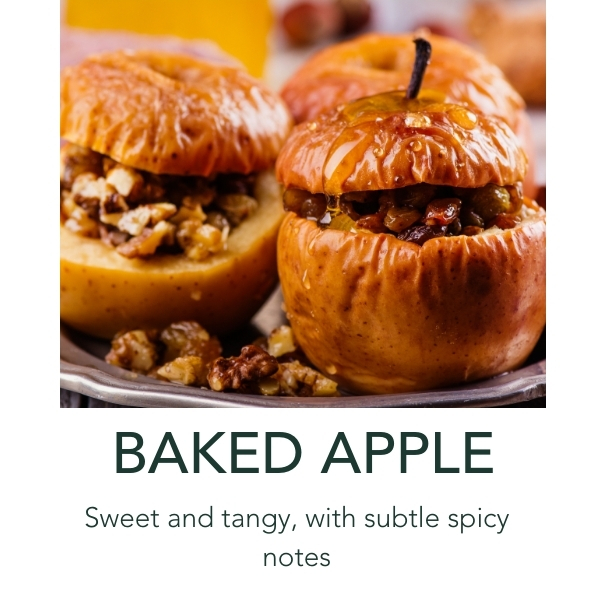
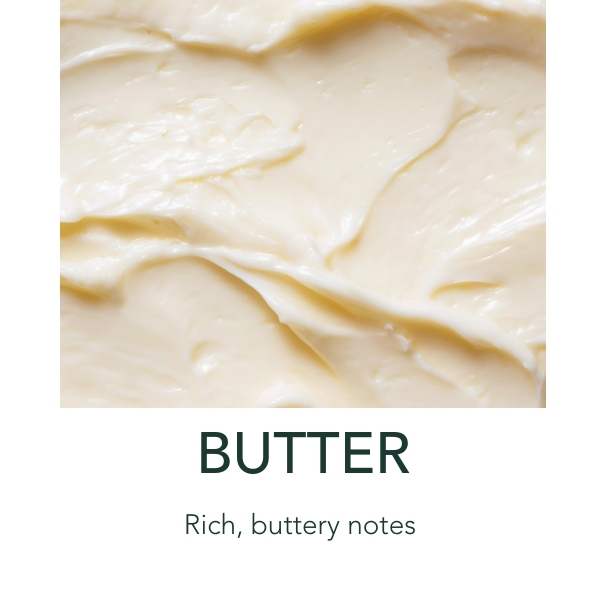
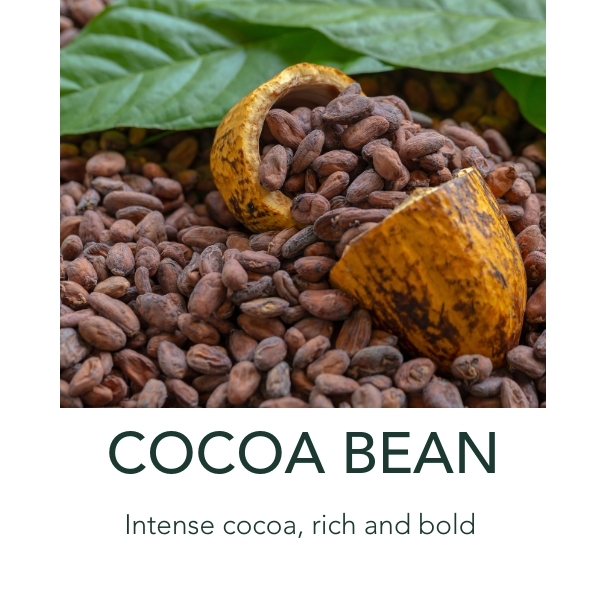
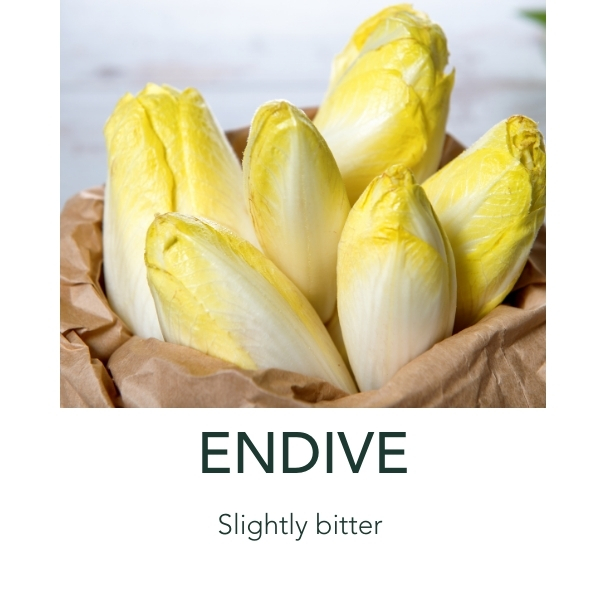
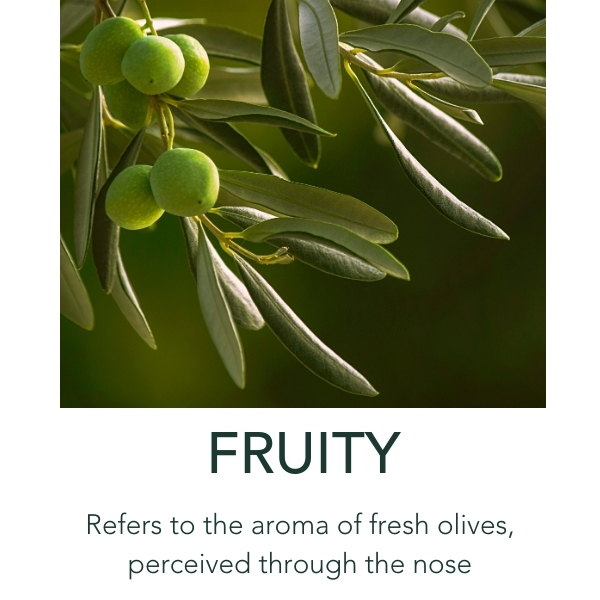
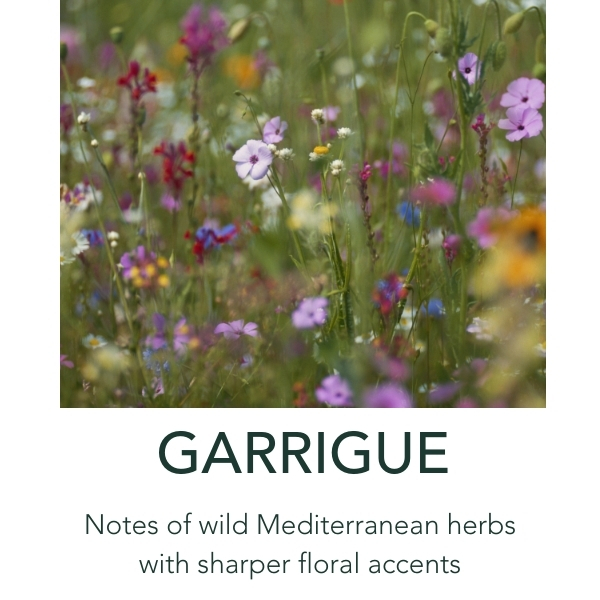
Within the Oliviers&Co collection, we highlight the most common aromatic notes that enrich each flavor profile and give our oils their unique personality. Discover how these distinctive nuances add depth, character, and originality to every olive oil we create.

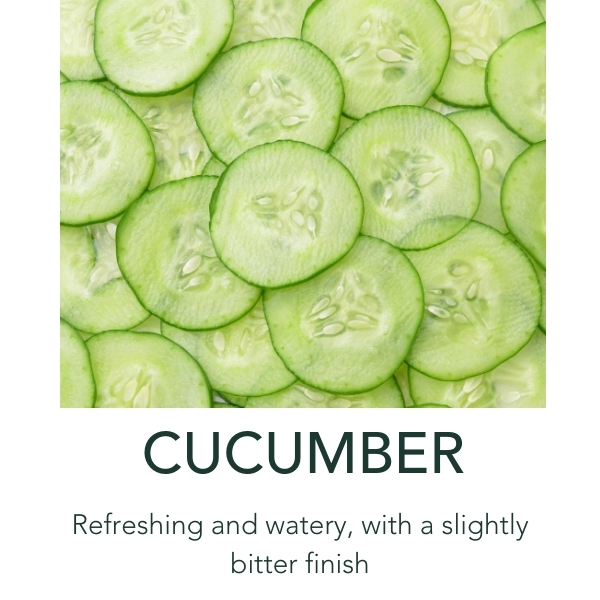
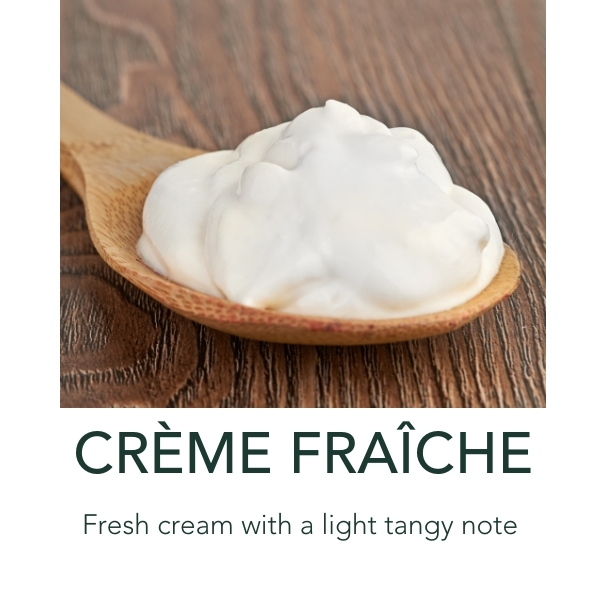
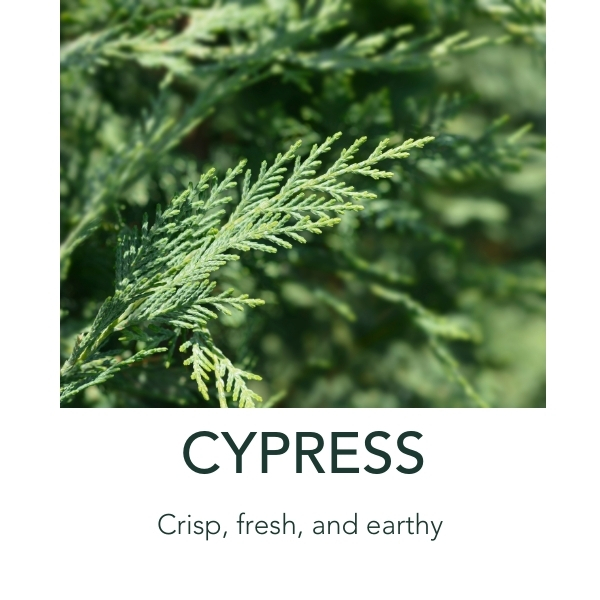
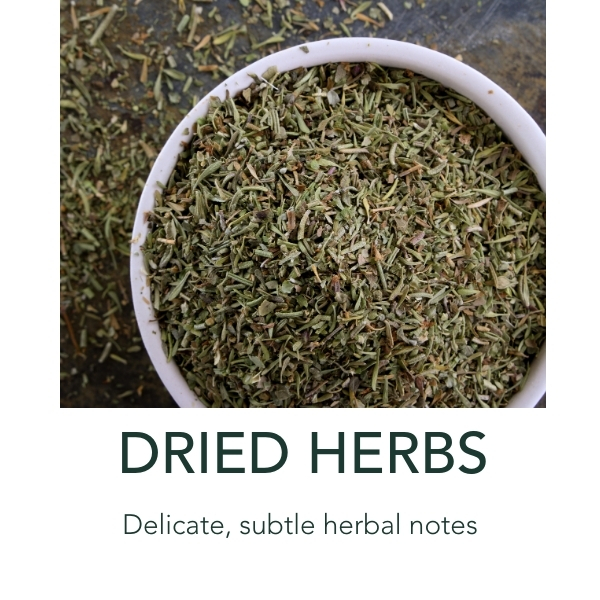


TASTING – THE PALATE
When tasting olive oil, each step focuses our attention on a specific positive attribute of the oil. After evaluating the fruit aroma by inhaling from the glass, once the oil is in the mouth we further assess the retronasal aromas and determine the level of bitterness on the tongue. Finally, as the oil is swallowed, we evaluate the intensity of its pungency in the throat.
Below are the definitions we use to further classify olive oils according to their palate profile. We believe it is important to provide context by suggesting food pairings and recommended uses, helping you select the perfect oil for your cooking preferences. As a general rule, our recommendations are guided by the finish on the palate, which we define as mild, balanced, or intense :
- Mild olive oils : These oils tend to be buttery, smooth, delicate, and light. They pair beautifully with lighter or more delicate dishes such as fish, soups, vegetables, pesto, eggs, and potatoes.
- Balanced oilive oil : Slightly more robust, these oils generally feature a more herbal and complex flavor profile. With a peppery finish, they are excellent with steak, bruschetta, tomato-based sauces, pasta, and any dish where you want to brighten and enhance existing flavors.
- Robust olive oils : Made from olives harvested while still predominantly green, these bold oils tend to have a more pronounced, peppery character, often with notes of vine-ripened green tomato, green tomato leaf, and green apple skin.
More flavorful and robust dishes such as red meats, tomato-based sauces, hearty stews, as well as steamed vegetables and salads are often best complemented by these fruit-forward, full-bodied oils.
Explore our selection of extra virgin olive oils here.
PALATE TERMINOLOGY
BITTER: Considered a positive attribute, indicating fresh olives
BUTTERY: A smooth, rich mouthfeel
FERSH: Clean, fruity aroma, free from oxidation
HARMONIOUS: A balance of characteristics, with none overpowering the others
PEPPERY: A tingling sensation in the throat that may provoke a cough
ROUND: A balanced, full-bodied sensation with harmonious flavors
SPICY: Aromatic or flavor notes reminiscent of spices such as cinnamon or allspice