











Greece, the origins of olive oil...
Why was Olive Oil popular in Ancient Greece?
The olive tree has been a strong symbol in Greece for millennia. For example, the olive crown was the only priwe to the winners of the Olympic Games. Or even Plato’s olive tree, under which the philospher taught his students.
Since ancient times, the olive tree has been holy and eternal to the Greeks. Olive cultivation in Greece goes back over 4,000 years. Archaeological sites such as Knossos, Phaistos, Malia, Mycenae, Pylos and Thebes provide ample evidence of the essential role olive oil played in ancient Greek life and their culture. A symbol of knowledge, wisdom, abundance, peace, health, strength and beauty! The olive tree has been respected for centuries.
The expansion of olive cultivation and the use of olive oil in the western Mediterranean are also partly attributed to the Greeks who introduced it to Italy. For the Greeks, the olive tree is the main Mediterranean crop and continues to play an important role in trade as well as the agriculture of the country.
Greek Olives from different regions
Olive cultivation in Greece takes place in 3 main regions: Peloponnese, Crete and Ionian Islands. These 3 regions represent 80% of the country’s production.
The main olives produced in Greece are:
- Kroneiki
- Athinoelia
- Mastoidis
- Adramitini
- Amygdalolia
- Matolia
- Kalamata
- Kaloum

Greek Food and Culture: A place for Olive Oil
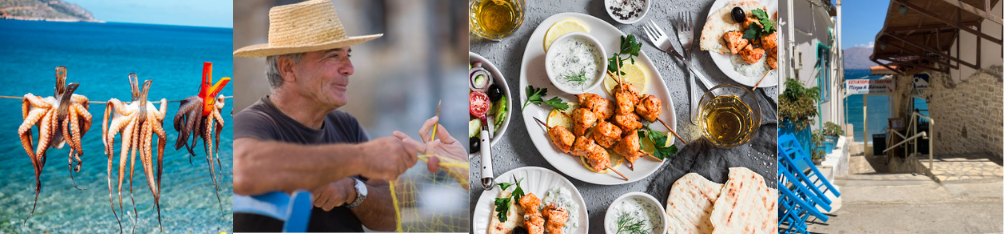
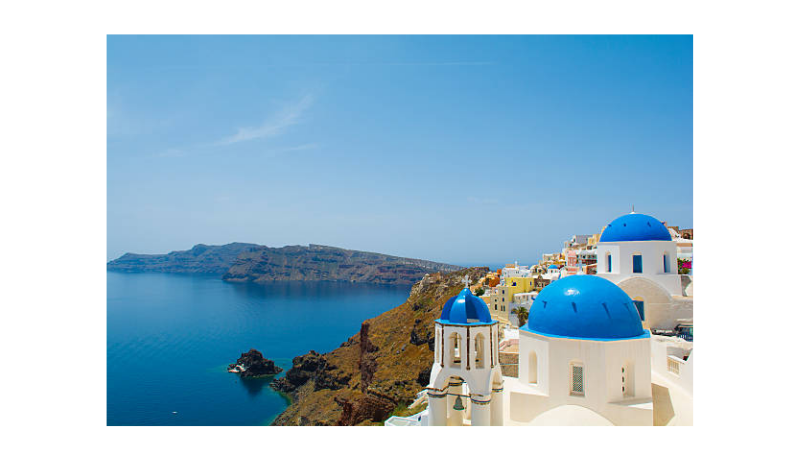
You have just landed In Greece, as you walk you will come across hanging octopuses, an alphabet you will not understand, and you will gaze upon the beauty of the landscape, the warmth of the sun and you will be out dancing until dawn. But remember to always watch out for ‘the evil eye’.
Greece has a history as being one of the oldest and most influential civilizations in the world. It preserves a very rich culture and boasts traditions that date back millennia. The Greeks are incredibly superstitious, especially the older generations.
Traditional dances are typical in everyday culture. The Greeks love to dance; young or old, to honor their regions and the roots that untie them all together. The Greeks will dance all year round during multiple different festivals and important events that occur in their lives, all whilst sharing food.
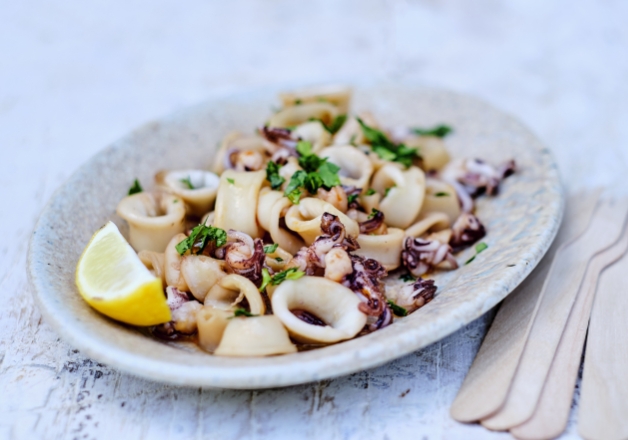
Greek food traditions date back to thousands of years ago. Traditional Greek cuisine is above all healthy and often recommended for health benefits, and often cited when speaking of the Mediterranean diet, one of the healthiest diet models in the world. This diet has been recognized by UNESCO, since 2010, as being a part of humanity’s intangible cultural heritage. Modern Greek cuisine uses a lot of olive oil, aromatic plants and vegetables, grains, bread, wine, fish, seafood (especially squid) and a wide variety of meats.
Olives, cheese, eggplants, squash and yogurt make up an equally important part of this cuisine. Greek desserts have a notable taste of nuts and honey. We highly recommend for you to travel to Greece and enjoy the magnificent landscape and taste the Mediterranean diet, based around olive oil.