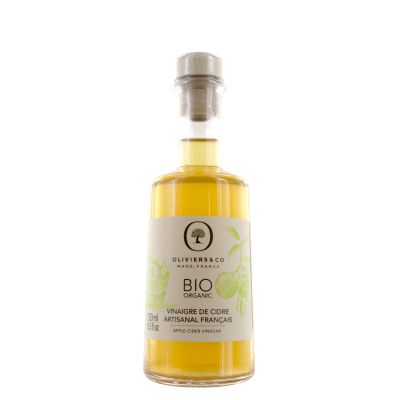




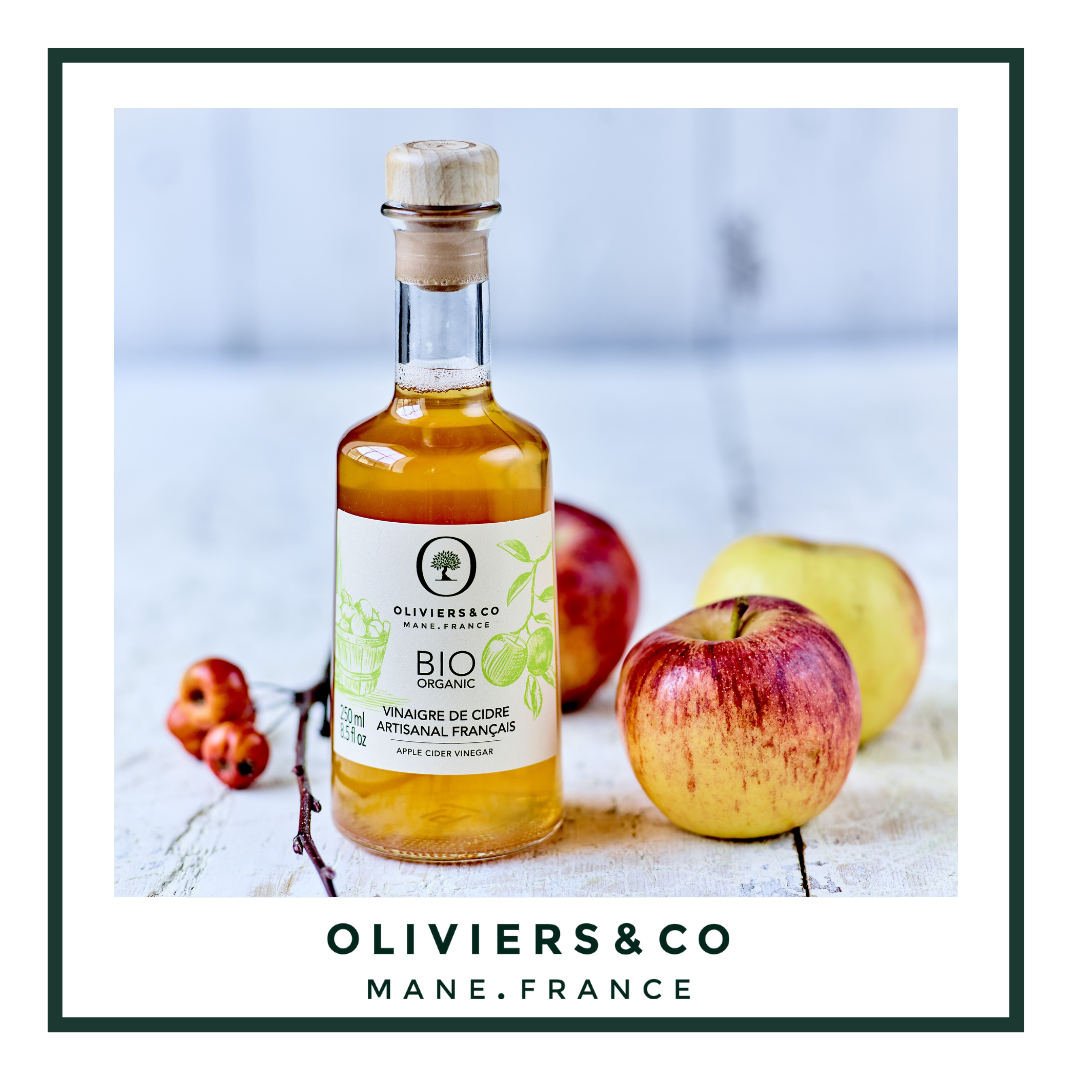
The cider vinegar, much more affordable than its Italian counterpart, balsamic vinegar, establishes itself as an essential ingredient in cooking.
Cider vinegar: a great ally for cooking
It stands out as one of the most indispensable vinegars in the kitchen; if you select just one among all varieties, this would be the top choice. Its applications include:
- Meat: Ideal for marinating or deglazing both red and white meats, serving as a base for sauces, especially when paired with honey.
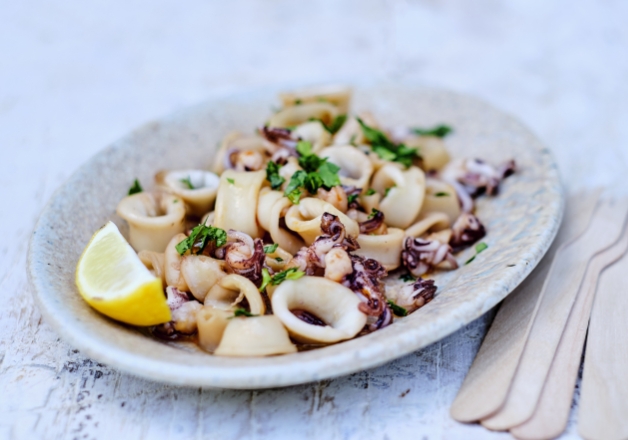
- Fish and seafood: Perfect for marinating fish, deglazing shellfish, or crafting a vinaigrette for oysters.
- Side dishes: Enhances the flavor of baked apples and various accompaniments.
- Dressings: Elevates quinoa salads and coleslaw.
- Sweet preparations: Helps achieve a more tender and airy texture in cakes.
- Homemade bread: Adds shine to the crust.
- Pickles or chutneys: Perfect for creating sweet and sour sauces and various condiments.
Creating your own cider vinegar
Cider vinegar undergoes a double fermentation process: first with apples, followed by cider fermentation. Ideally, opt for untreated apples. However, if these aren't available, treated apples can also be used to create your vinegar. Have you purchased cider vinegar? Here's a guide on making your homemade version:
- Obtain a vinegar mother, preferably from farm cider vinegar bottles.
- Pour cider (ideally raw) into the vinegar maker, filling it as much as possible.
- Gently place the vinegar mother on the surface of the cider.
- After a few weeks, you'll notice a white film forming on the cider's surface (the start of acetic fermentation), which speeds up in warmer temperatures.
- Over the following months, it will become increasingly acetic. Once this stage is reached, filter the vinegar using a nylon filter before bottling it.
This process doesn't replace the expertise of a skilled vinegar maker who meticulously selects tree types, and the finest apple varieties, and blends them to achieve the desired flavor profile.
The vinegar maker chooses only pristine fruits, meticulously washed and then crushed. This blend rests in vats for several hours before mechanical pressing aided by jute cloths.
The resulting juice is poured into barrels within a maximum of 2 days, initiating the fermentation process.
During the initial 5 months, alcoholic fermentation occurs, resulting in cider. To transform cider into vinegar, additional months (or even years) are required for acetic fermentation to take precedence.
As the process nears completion, the vinegar maker gradually introduces air to the liquid by gradually reducing the mother vinegar. Once the acidity level reaches between 5° and 8°, signaling the perfect balance, the cider vinegar is ready for bottling.